
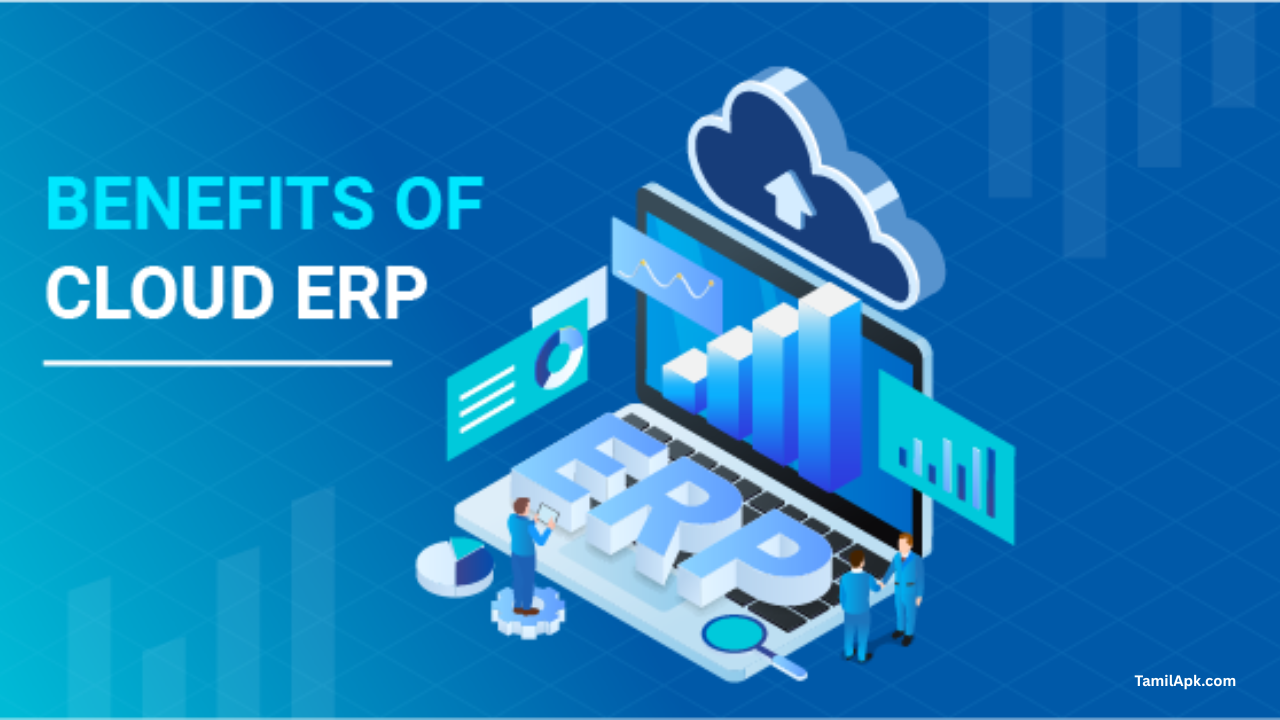
The world of business is going through a huge digital transformation. In the middle of this change is Cloud ERP solutions that provide incredible agility and transparency in operations. Companies are swiftly shifting away from cumbersome systems on their own to be competitive.
When we examine the numbers from the month of June 2026 its clear that global adoption rates are increasing. The implementation of modern Cloud ERP solutions is no anymore simply an IT upgrade but is a key business plan. Businesses require connected smart solutions to manage the growing amount of data that are complex.
This complete guide will provide new trends as well as current market research on the platforms. In this guide we will examine the ways in which Cloud ERP solutions are revolutionizing supply chain finance and HR. Explore what makes Cloud ERP the foundation of the modern scale up enterprises.
Understanding Cloud ERP Solutions
Prior to analyzing the most recent developments in markets its helpful to establish a solid knowledge. The historical context can help explain what the rationale behind modern Cloud ERP solutions are so popular today.
What is a Cloud Based System?
Enterprise Resource Planning refers to the software used by businesses for managing day today business functions. The activities covered include the management of accounting procurement projects project management the management of risk as well as the supply chain. The traditional way of doing this was to require huge internal servers as well as dedicated IT staff to manage.
Cloud ERP solutions are simply those same systems of management located on servers remotely. They are offered through the internet rather than being mounted on corporate hardware. This design shift takes away the burden of maintenance on hardware as well as manually updating the system.
Utilizing the internet and cloud computing these platforms permit authorized users to have access to live data at any time. This concept is the basis that has opened the way to the extremely connected and fully automated Cloud ERP solutions we see in the present.
The Current Landscape of Cloud ERP Solutions in June 2026
The latest market research from June 2026 reveal a huge increase in the adoption of cloud based enterprise solutions. The worldwide market in Cloud ERP solutions is officially forecast to reach a staggering 100 billion dollars in the next year. This phenomenal growth is largely driven by medium and small sized businesses seeking greater operational efficiencies.
More than sixty percent of businesses are proactively focusing on the improvement of their management systems for business. The need of Cloud ERP solutions is fueled by the urgent requirement for integrated business processes automation. Businesses simply cannot endure the lags that accompany departments that are not able to use the software they have.
Market Growth and Financial Impact
In the process of evaluating products the return on investment is the most important aspect. The latest data show that the an average return of Cloud ERP solutions are reaching fifty two percent. That means that every dollar spent into these systems yields an impressive and quantifiable business benefit.
In addition over 83 percent of businesses report meeting their financial goals after deploying. Cloud ERP solutions are delivering an estimated sixty two percent cost decrease in inventory and purchasing management. The numbers show that current cloud ERP systems provide an extremely efficient path to profit.
Key Trends Shaping Cloud ERP Solutions Right Now
The technology that powers ERP software for business is growing in rapid speed during this month. Numerous distinct trends are impacting the development and use of Cloud ERP solutions globally. It is vital to understand these trends in any enterprise contemplating a digital transformation plan.
Artificial Intelligence and Generative Copilots
Artificial Intelligence isnt an unpopular buzzword it is now a part of the modern day technologies. Nowadays the top Cloud ERP solutions feature built in AI powered generative AI copilots who help users on a continuous basis. Intelligent agents are able to analyse massive amounts of data to spot irregularities and recommend immediate corrections.
65 percent of leaders in the enterprise are now considering AI essential for the success of their Cloud ERP solutions. Incorporating prescriptive AI enhances the accuracy of demand forecasting by as much as twenty percent. Furthermore these insights derived from AI will reduce delivery time and cut operating costs in the long run.
Hyper Automation Across Workflows
Data entry by hand and repeated approval processes are fast disappearing into the old ways of doing business. The latest Cloud ERP solutions are heavily concentrated on automating the entire process throughout all departments of the business. An entire process that begins in the procurement department can be automated to start actions in finance with no any human involvement.
The level of automation eliminated human error that cause problems for traditional systems of business. With the implementation of fully automated Cloud ERP solutions companies can free their staff to focus on important tasks. This change dramatically increases efficiency of the workforce and boosts everyday business processes.
Two Tier ERP Architectures
In the past big companies tried to force one massive solution onto their worldwide affiliates. The June 2026 shift has been to the two tier Cloud ERP solutions. This approach allows the central office to continue using an exceptionally robust old software for the core of financials.
In addition smaller subsidiary and regional offices are using flexible light Cloud ERP solutions tailored to the requirements of these offices. Modern interfaces for application programming efficiently synchronize data across the corporate tier as well as the subsidiary layer. This approach to modularization is economical and significantly cuts down the duration of software development.
Benefits of a Two Tier Strategy
The two tier structure gives rapidly growing businesses the ability required to react to local market demands. The flexible Cloud ERP solutions prevent regional offices from becoming ensnared with complicated corporate compliance settings. This solution provides the optimal combination of global financial supervision and operational flexibility that is localized.
Industry Specific Modularity and Composable ERP
Another major trend for during this time is the emergence of highly modular and composable designs. Companies are avoiding the rigid and universal software preference to industry specific Cloud ERP solutions. The companies want modules that are specifically designed for their specific industry be it healthcare or manufacturing.
Composable Cloud ERP solutions allow businesses to upgrade or delete certain functional components as their requirements shift. An organization can simply add a new module for supply chain without affecting its financial ledger. This allows for flexibility to ensure that the entire enterprise software system is constantly evolving with the growth of company.
Why Traditional Systems Are Losing to Cloud ERP Solutions
The difference between contemporary cloud based platforms and the dated hardware and software has never been more striking. Systems that are outdated can hold businesses from reaching the maximum potential for market. It is important to understand why the old software is rapidly being substituted with Cloud ERP solutions.
Limitations of Legacy Architecture
Business systems that were built on premises were based on high tech frameworks which are hard to modernize. The companies that use these outdated platforms face significant bottlenecks in performance and growing cybersecurity threats. Moving to more the scalable Cloud ERP solutions is the sole way to get around the technical limitations.
In addition older systems are not equipped with the sophisticated interfaces to applications needed for the modern integration of software. They result in isolated data silos which block different departments from sharing crucial operational details. Cloud ERP solutions natively eliminate the silos and centralize all corporate data into a single digital space.
The Cost Factor and Resource Allocation
The maintenance of hardware on premises demands a huge ongoing expenditure in IT specialists and infrastructure. The outdated setups make it necessary for businesses to invest in costly manual updates to remain fully compliant. Cloud ERP solutions operate on an underlying subscription system that completely removes unanticipated expenses for maintenance.
When they switch towards Cloud ERP solutions businesses are able to redirect their IT budgets to strategically oriented growth strategies. Cloud ERP vendors handle the maintenance of servers as well as data backups and crucial security patches all completely. This enables employees of the IT team to concentrate on enhancing business processes instead of repairing broken servers.
Real Time Data and Unified Insights
In todays business environment that is a modern business environment waiting until the last day of each month to receive financial statements is not acceptable. Traditional systems usually depend on slow batch processing techniques that provide obsolete business intelligence. Cloud ERP solutions provide instantaneous live visibility of all aspects of a enterprise.
Through Cloud ERP solutions executives are able to monitor the state of inventory in cash flow inventory levels as well as production metrics in real time. The instant access to precise information enables leaders to take extremely confident decision based on data immediately. Businesses that make the switch to a real time system gain a huge competitive edge over slower and less flexible opponents.
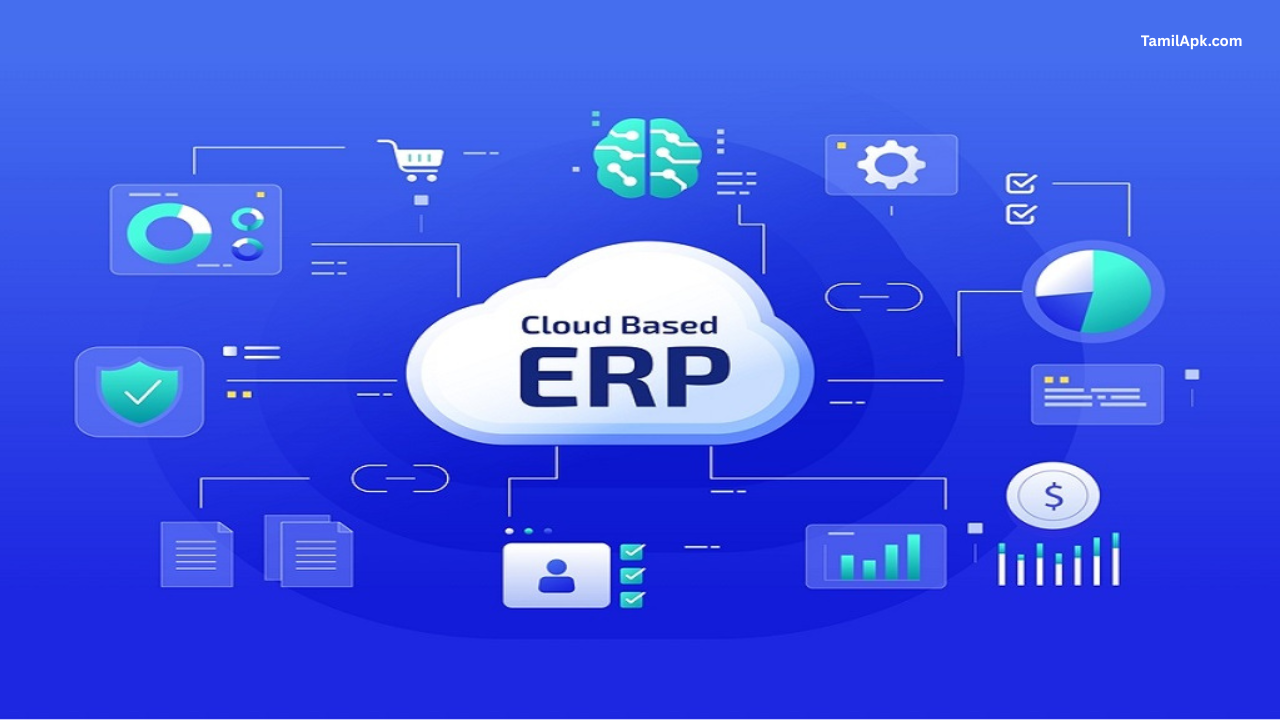
Major Benefits of Adopting Cloud ERP Solutions Today
The advantages in the operational aspects of moving to a cloud based platform for business have been thoroughly documented in the latest research. Businesses are undergoing profound changes with regards to how they organize their workflows as well as remote teams. practical tips you can apply in everyday life. From boosting confidence are the most significant advantages that will drive the wide use of Cloud ERP solutions in 2026.
Enhanced Operational Agility
Agility is the most important aspect of an effective enterprise within our fast paced world economic system. Cloud ERP solutions allow companies to expand their computing capabilities to the desired level or decrease them. When a company opens an office in a new region and needs to set up new users with software in a matter of just a few minutes.
This amazing flexibility guarantees that technology of the business does not act as a roadblock to geographic expansion. Cloud ERP solutions empower remote employees by offering secure accessibility from any device connected to the internet anywhere in the world. It creates a resilient business that is able to operate regardless of unexpected global disruptions.
Robust Security and Zero Trust Models
Security of data remains a major concern for cloud providers who spend billions to protect their infrastructure. Most popular Cloud ERP solutions now utilize sophisticated zero trust security strategies as well as multi factor authentication methods. Artificial intelligence is employed to analyze network traffic and quickly neutralize any potential unauthorised access attempts.
These security tools surpass those that individual businesses can construct internal. Utilizing highly secured Cloud ERP solutions businesses can effectively protect their crucial sensitive financial data from being hacked. They also guarantee complying with the increasingly stringent local data privacy and storage rules.
seamless integration seamlessly IoT as well as Edge Devices
The Internet of Things is producing huge streams of information on factories and within warehouses. The latest Cloud ERP solutions are engineered to process and analyze this constant stream of sensor data in a native way. The seamless integration bridges the gap between the physical and management systems that are digital.
If Cloud ERP solutions connect with sensors with smart capabilities they are able to make complex preventive maintenance routines. When a machine in the manufacturing process notices an abnormal temperature reading The system will automatically issue an action oriented service work request. This proactive method helps prevent costly equipment breakdowns and ensures that production lines are operating efficiently.
Supply Chain Optimization
Supply chains are extremely vulnerable to disruptions across the globe which makes the use of intelligent software essential. Cloud ERP solutions utilize real time tracking that monitors the exact whereabouts of raw materials around the world. Analytics that are predictive within these platforms will alert management to possible delay in deliveries weeks ahead of time.
It allows procurement departments to obtain alternative suppliers ahead of when a shortage in production happens. Utilizing modern Cloud ERP solutions companies keep their inventory levels at a high level and significantly reduce costs for warehousing. It results in a durable supply chain that always provides products to clients promptly.
How to Implement Cloud ERP Solutions Successfully
The purchase of advanced software is just the beginning; the real challenge is in the process of deployment. It is imperative to plan the process properly for ensuring that the process will not impact routine activities. we explore the fascinating world of the mind—breaking down psychology concepts into simple are the essential actions to follow for implementing Cloud ERP solutions in your company.
Strategic Planning and Goal Setting
The successful implementation of a cloud ERP solution must be based on clearly defined and quantifiable business goals. Leaders must determine what operational issues the cloud ERP solutions Cloud ERP solutions need to address. The strategic alignment will ensure that the selected software configuration will directly support the businesss goals for growth in the long term.
Businesses must carefully define their workflows prior to attempting to implement the new software. Incorporating Cloud ERP solutions provides the best opportunity to get rid of old and outdated methods completely. Optimizing the process will ensure that the company is not just digitizing outdated operational practices.
Prioritizing Data Migration and Cleansing
The migration of data is often regarded as one of the most difficult and risky part of any digital transformation project. Prior to transferring data into the cloud based Cloud ERP solutions companies need to rigorously cleanse and normalize the existing information. The transfer of duplicate or incorrect information will quickly cause damage to the integrity of the digital world.
Companies must designate dedicated individuals to manage the validity of each accounting and financial records. The latest Cloud ERP solutions rely entirely on clean data in order to create precise forecasts for the future and automate operations. Making the effort to ensure the proper data hygiene can prevent enormous operational problems when the software goes live.
Consulting with experienced consultants
The challenge of navigating a huge digital transformation without expert advice is the recipe for excess budgets. The statistics show that there is an 85 percent percentage of success when businesses collaborate with experienced consultants for implementation. They know how to customize Cloud ERP solutions to specific needs of the industry and comply with standards.
Consulting experts help companies avoid typical mistakes such as underestimating the complexity of data and ignoring critical integration dependents. They offer comprehensive changes management plans and instruction programs in the recently installed Cloud ERP solutions. The expert guidance of experts ensures that the deployment stays within the timeframe and delivers the expected financial results.
Conclusion
The environment for business in 2026 requires unmatched speed precision and flexibility of operation from business software. The traditional on premise system simply does not deliver the sophisticated automation that is required for survival in todays marketplace. The adoption of modern Cloud ERP solutions is no any longer an optional option; its an absolute necessity to survive.
We have discussed how these platforms are leveraging artificial intelligence to power an increase in automation and predictive analytics. A shift towards modular structures and two tier deployments make Cloud ERP solutions more accessible more than ever. Firms that choose to invest in these advanced digital frameworks are busy ensuring their future profits and the markets dominance.
If you follow a well planned approach to implementation businesses will be able to achieve incredible efficiency in their operations and huge savings in cost. This requires effort however the benefits over time that come with Cloud ERP solutions are truly indisputable. It is now the perfect moment to put the limitations of traditional ERP to the past and embrace the new world of enterprise management that is connected.